ResourcesCompliance & PaperworkAug 10, 20266 min read
Moving Hazmat Containers: What Your Carrier Needs From You Before Pickup
What documentation should ship with a hazmat container, what a hazmat endorsement really means, and why advance notice changes routing at the port.
Hazardous materials move through the Port of Oakland every day, and most of the delay that trips up a hazmat shipment has nothing to do with the chemistry inside the container. It comes down to paperwork and timing. A dangerous goods load that's properly documented and booked with enough lead time moves about as smoothly as any other box. One that isn't can sit while a carrier scrambles to confirm details that should have been settled at booking.
This is the practical side of hazmat drayage: what a shipper needs to hand over, when, and why it matters to the driver who shows up at your dock.
What counts as hazmat, and why the UN number matters
"Hazmat" is a broad label covering everything from lithium batteries and aerosols to corrosives, flammable liquids, and oxidizers. The regulatory system doesn't sort loads by that broad label, though. It sorts them by UN number, a four-digit code that identifies the exact substance and its properties.
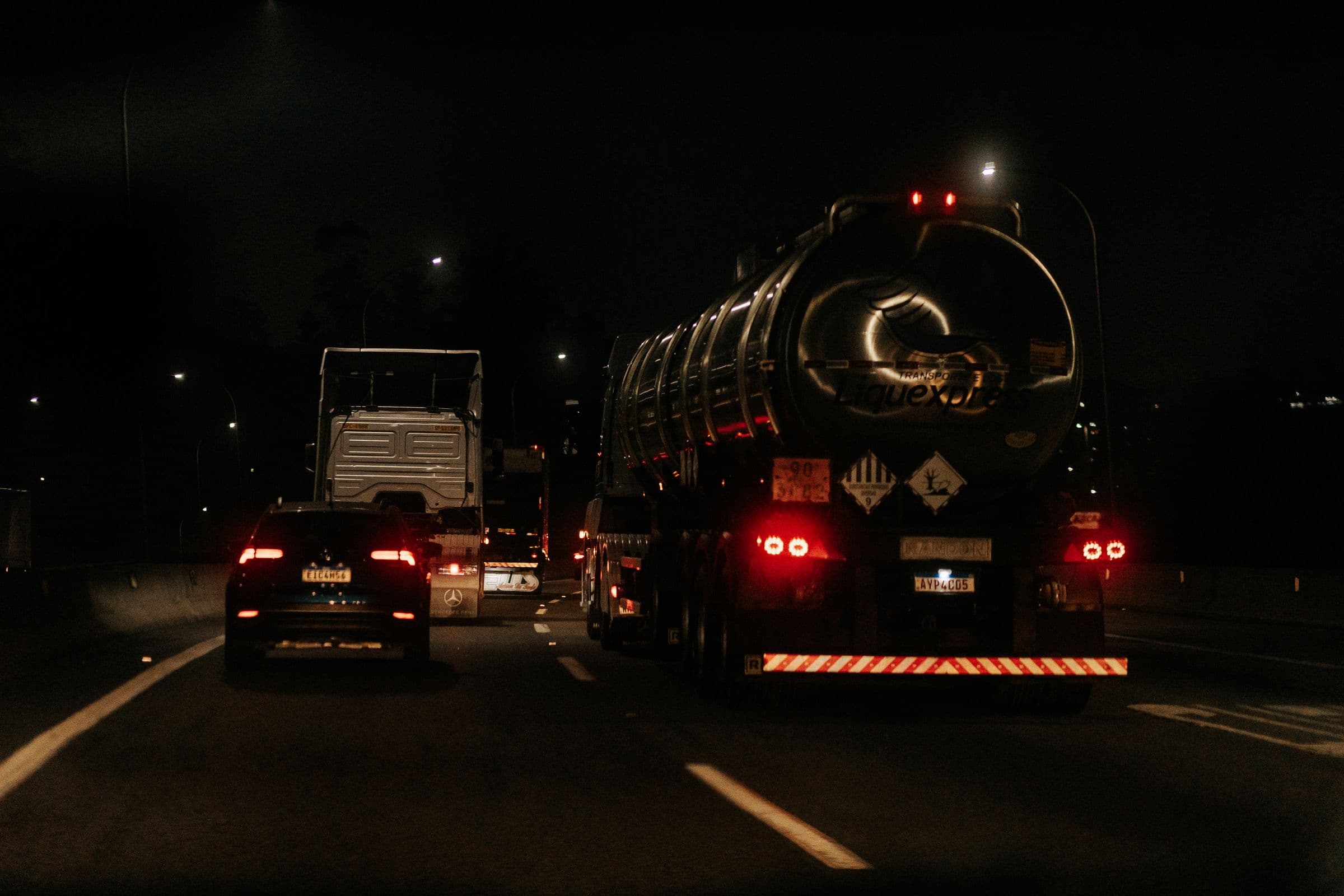
The UN number drives everything downstream: which placards go on the container, what packing group applies, whether the material can share a chassis or trailer with other freight, and what routing restrictions apply near tunnels, bridges, or residential areas. When you request a quote, giving the correct UN number up front isn't a formality — it's the piece of information that determines whether the load can be planned at all.
If you don't know the UN number offhand, your safety data sheet (SDS) will have it, usually in section 14, "Transport Information."
The documents your carrier needs before pickup
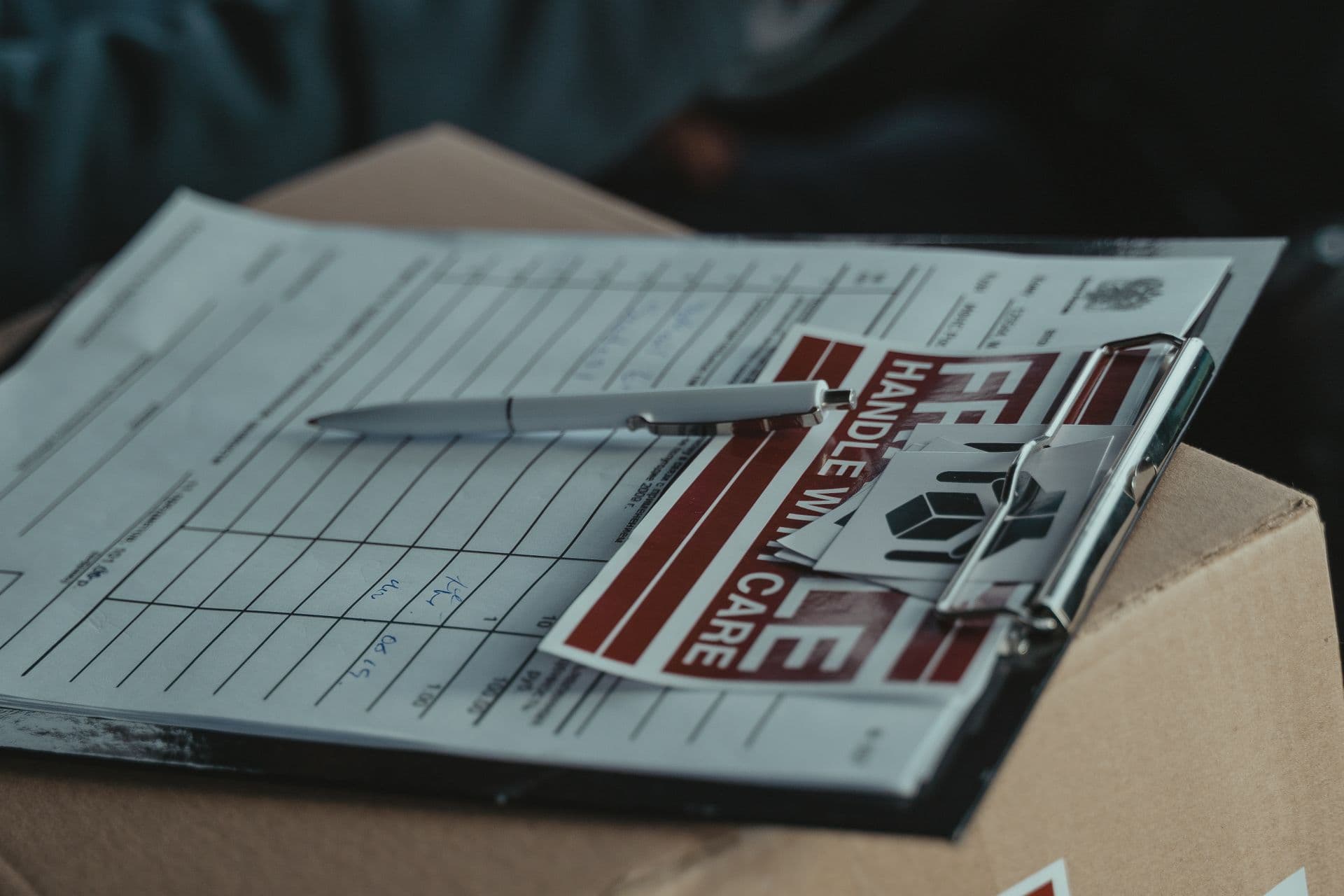
Before a container with hazardous materials leaves the terminal, the paperwork needs to be complete and it needs to match. Mismatches between the bill of lading, the SDS, and the placards on the box are one of the fastest ways to get a load held at the gate.
- Shipping paper / bill of lading with the proper shipping name, hazard class, UN number, and packing group listed in the sequence the regulations require
- Safety data sheet (SDS) for the commodity, so dispatch and the driver both know what they're hauling and what to do if something goes wrong
- Placarding information — which placards the container needs, and confirmation they're already applied at origin or that your facility will apply them before the truck arrives
- Emergency contact information for someone who can answer technical questions about the material 24/7, not just during business hours
- Any permits or additional certificates specific to the commodity, if the class requires them
Handing this over at booking, not at the gate, is what keeps a hazmat pickup on schedule.
What a hazmat endorsement actually is
Drivers hauling placarded loads need a hazmat endorsement on their commercial driver's license, on top of the CDL itself. Getting one isn't a formality — it requires a TSA background check, fingerprinting, and a knowledge test on top of the standard CDL requirements. That background check is renewed periodically, which is part of why hazmat-endorsed drivers are a smaller pool than the general driver population.
It's a separate credential from a TWIC card, which is what lets a driver access secure areas of the port itself — see our breakdown of TWIC and port credentials for how that piece works. A driver moving a placarded container out of the Port of Oakland typically needs both: the hazmat endorsement to legally haul the load, and TWIC to get into the terminal to pick it up. Avtar Freightways' drivers carry TWIC as standard.
Why advance notice changes routing and driver assignment
A regular container booking can often be slotted into whatever truck and driver are next available. A hazmat booking can't, for a few reasons.
First, not every driver on a fleet roster carries a current hazmat endorsement, so dispatch has to match the load to a qualified driver — which narrows the options, especially during a busy window.
Second, routing isn't automatic. Some hazard classes carry restrictions on tunnels, certain bridges, or routes through populated areas, and a dispatcher needs time to plan a compliant path rather than defaulting to the fastest one.
Third, equipment has to match the commodity. Certain hazard classes need specific chassis configurations or can't be mixed with other freight on the same move, which is one more thing that needs confirming before a truck gets dispatched.
None of this is complicated, but none of it can be done in the twenty minutes between a booking coming in and a truck needing to leave. Telling your carrier about a hazmat load as early as possible — ideally at the same time you book — gives dispatch room to plan the routing and lock in a qualified driver instead of reshuffling the day's schedule.
The Avtar Freightways take
Hazmat drayage isn't riskier freight to move, it's freight that punishes last-minute planning. Give us the UN number, the SDS, and as much lead time as you can, and a placarded container moves through the Port of Oakland and onto the rail ramp on the same kind of schedule as any other box.
Getting it right the first time
A few habits prevent most of the delays we see on hazmat moves:
- 01Confirm the UN number and hazard class before you book, not after.
- 02Send the SDS and shipping paper together, so nothing is missing when dispatch reviews the load.
- 03Flag the commodity when you request your quote rather than mentioning it as an afterthought.
- 04Ask about routing restrictions on your specific hazard class if you're moving through an area with tunnels or bridges.
- 05Keep an emergency contact reachable around the clock for the length of the move.
If you're not sure whether a commodity is regulated as hazmat at all, that's a reasonable thing to ask before you book — check our FAQ for the basics, or just call. Getting the classification right at the start is a lot easier than untangling it once a container is already on a chassis.
For loads that are also running heavy, pair this with what you know about overweight containers in California — weight and hazmat restrictions can stack on the same move and both need to be planned for at booking. And once the container is moving, you can follow it the same way as any other load through tracking. Questions about a specific commodity or route are always welcome before you book.
Moving containers through Oakland?
Call (209) 459-5856 — dispatch answers 24/7 — or get a quote online.
Keep reading
Related guides
Ready when you are — 24/7
Have a container on the water?
Send the details before it hits the port. We'll have a truck, a chassis, and a plan waiting at the terminal.