ResourcesCompliance & PaperworkAug 10, 20265 min read
TWIC Cards and Port Credentials: Why They Matter to You as a Shipper
TWIC cards control who can drive into a marine terminal unescorted. Here's what the credential actually checks, and why a carrier without it can leave your container stranded at the gate.
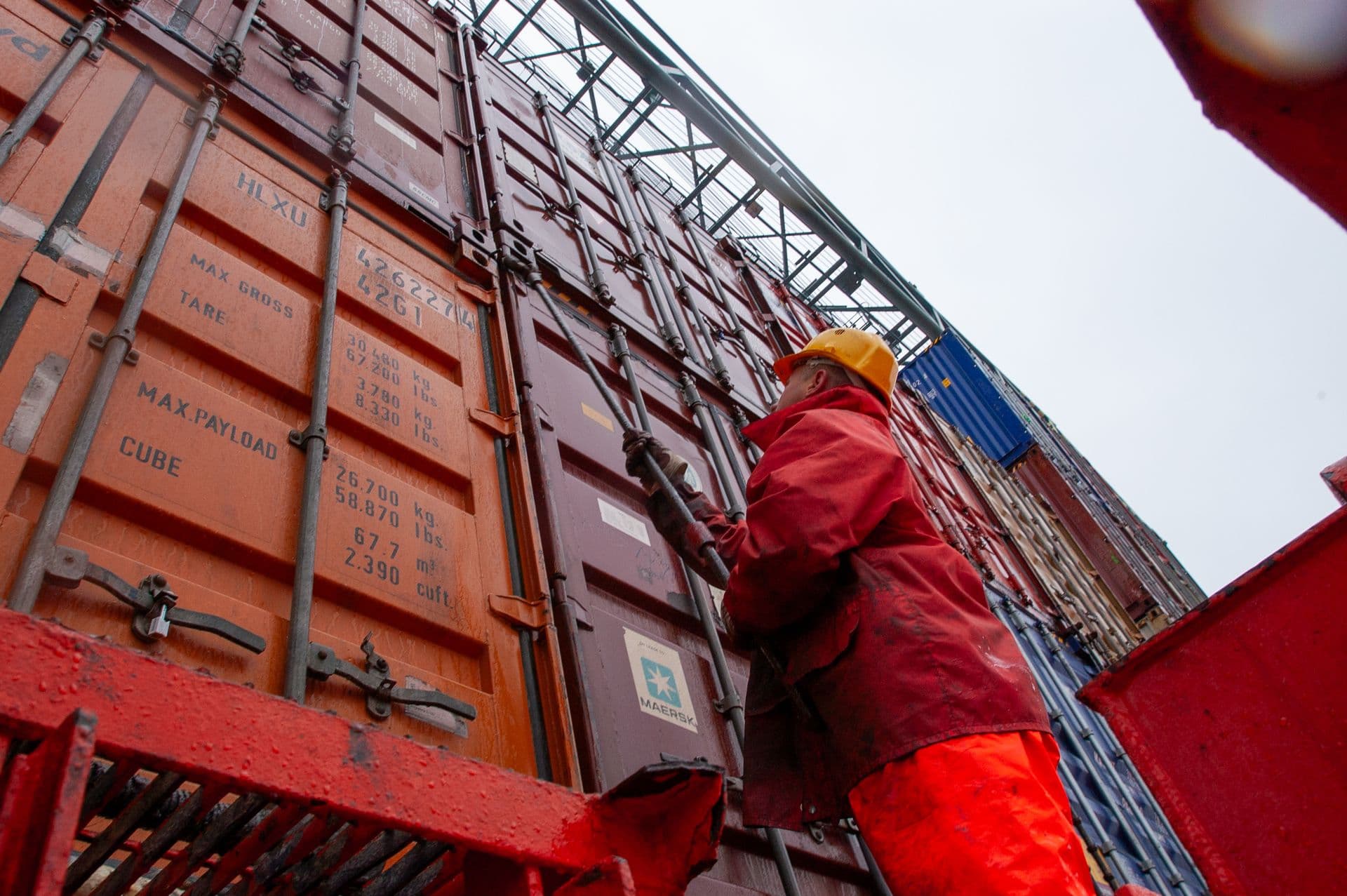
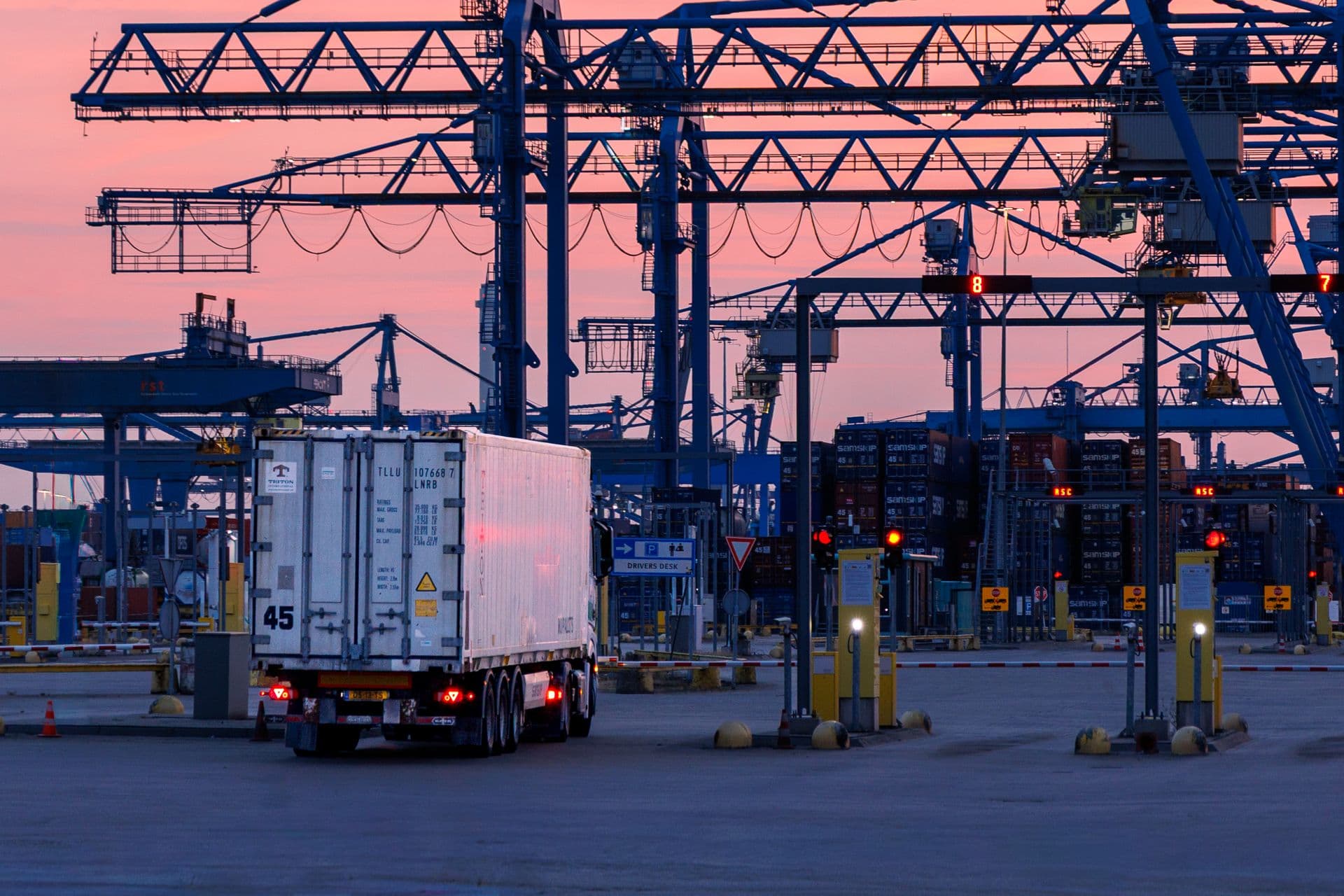
When a container lands at the Port of Oakland, someone has to walk onto the terminal, hook up a chassis, and drive it out through the gate. That person needs more than a commercial driver's license to do it — they need federal clearance just to set foot on the property.
That clearance is a TWIC card. It's a detail most shippers never think about, until a load is stuck at the gate because the driver who showed up doesn't have one. Here's what the credential actually is, why terminals require it, and why it's worth checking before you book a carrier.
What a TWIC Card Actually Is
TWIC stands for Transportation Worker Identification Credential. It's a federal security card issued by the Transportation Security Administration under the Maritime Transportation Security Act, and it's required for anyone who needs unescorted access to the secure areas of a U.S. port, marine terminal, or vessel.
Getting one isn't a rubber stamp. Applicants submit fingerprints and sit for an in-person interview, and TSA runs a background check that screens for disqualifying felony convictions, terrorism-related offenses, and immigration status, then checks the applicant against government watch lists before the card is issued. The card itself is a tamper-resistant ID with an embedded chip that terminal security can scan and verify on the spot. It isn't permanent — TWIC cards typically need to be renewed every five years, which means a carrier's driver roster isn't a one-time compliance check but an ongoing one.
Why Port Terminals Require It
Marine terminals are federally regulated facilities. Under the Maritime Transportation Security Act, each terminal has to control who gets into its secure areas — the yard, the container stacks, the berths where vessels load and unload. A driver without a TWIC card isn't automatically banned from the property, but they can't move through it unescorted, and drayage doesn't work with an escort standing on the running board.
Drivers picking up or dropping containers at the Port of Oakland or at Northern California rail ramps need to clear the gate, navigate the yard to a specific stack or rail track, and get back out — often multiple times a day. Every one of those movements happens inside the secure area TWIC exists to control.
What Happens When a Carrier's Drivers Don't Have One
This is where it stops being a paperwork detail and starts costing you time and money. A driver without a valid TWIC card who shows up at a terminal gate isn't going to be processed the way a credentialed driver is. Depending on the terminal, that can mean the truck is turned away outright, or the driver is held at the gate while someone tries to sort out an escort — which most terminals aren't set up to provide for routine drayage moves anyway.
Either outcome burns your appointment window. Terminals run on tight scheduling, and a missed or delayed pickup doesn't just get rescheduled quietly — it can push your container past its free time, which is when demurrage and per diem charges start accruing. A denied-entry driver isn't a minor inconvenience; it's a chassis that doesn't move, an appointment slot that's gone, and a shipper who finds out about the problem only after it's already expensive.
The mistake shippers make
Assuming every drayage carrier automatically has terminal access is the single most common blind spot in carrier selection. TWIC coverage isn't universal or guaranteed — it's a credential each individual driver has to hold personally, and it has to stay current. A carrier can be perfectly legitimate and still have drivers who lack it, especially if their roster includes owner-operators or subcontracted capacity brought on for overflow.
What This Should Mean for How You Pick a Carrier
You're not the one applying for a TWIC card, but you're the one who eats the cost when your freight gets stuck behind a driver who doesn't have one. A few questions are worth asking before you commit a load to a carrier for Port of Oakland or rail ramp drayage:
- Do your drivers carry current TWIC cards, not just some of your fleet?
- How do you confirm a driver's TWIC status before dispatching them to a terminal pickup?
- What happens on your end if a scheduled driver's credential has lapsed — do you have backup coverage?
- Can you handle appointment-window pickups without needing an escort arranged in advance?
A carrier that answers these without hesitation has this built into how they staff and dispatch. Avtar Freightways is a container drayage and trucking carrier based in Concord, CA, operating under MC 1169424, and every driver carries a TWIC card — that's a baseline for serving the Port of Oakland and the rail ramps around it, not an add-on service.
TWIC Is One Piece of a Bigger Compliance Picture
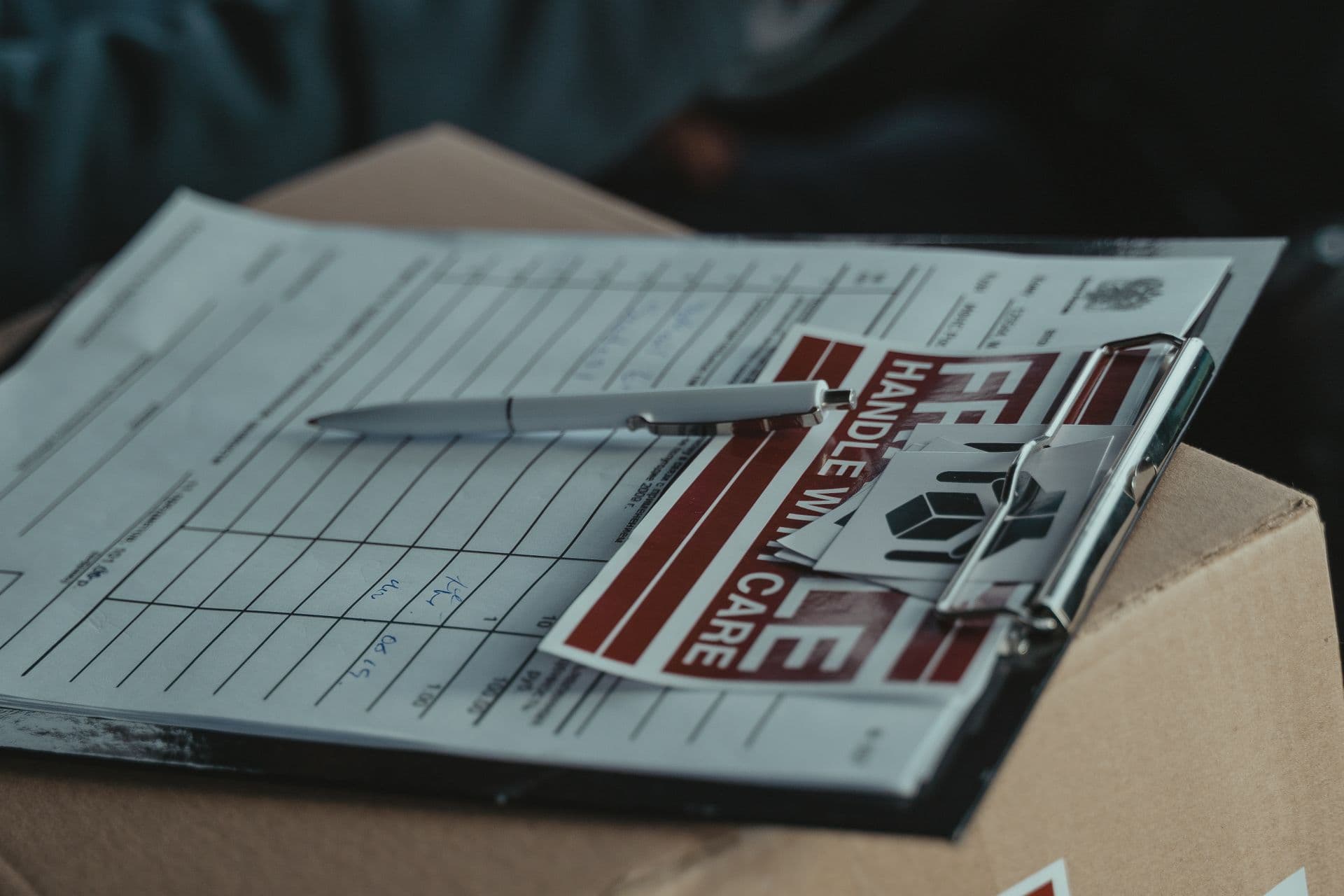
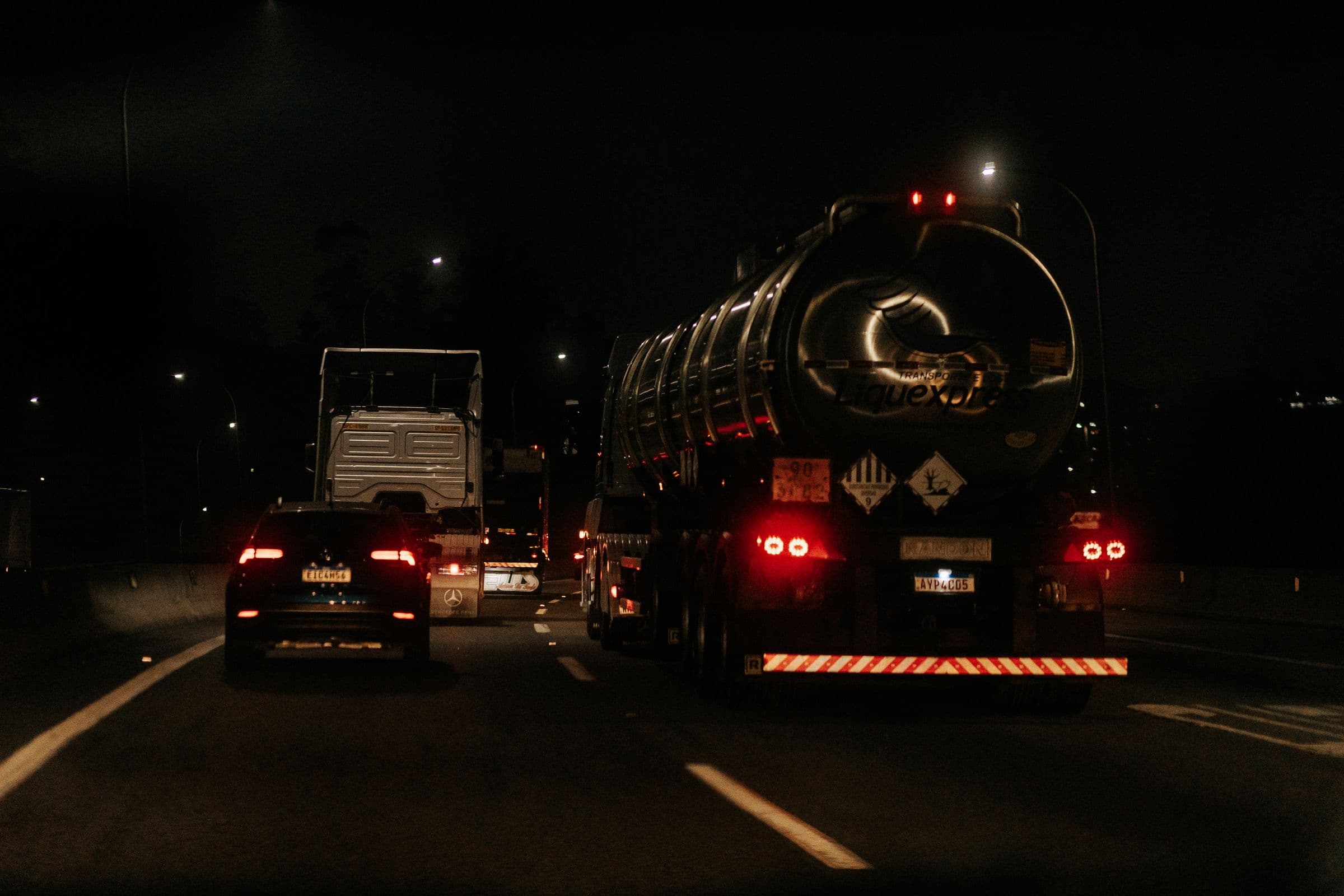
Port credentialing doesn't operate in isolation from the rest of how a load moves. A driver who can clear the gate still needs the right chassis, the right paperwork if the container is in-bond freight, and additional handling if the load involves hazmat drayage. TWIC is the access requirement underneath all of it — without it, none of the rest matters, because the truck never gets to the container.
If you're new to container pickups out of Oakland specifically, it's worth reading through what the pickup process actually looks like end to end, since credentialing is just one step in a sequence that includes appointment systems, chassis availability, and terminal cutoffs.
How to Confirm This Before It's a Problem
The practical move is to ask directly and get a straight answer, not a vague assurance. A dispatcher who can speak to driver credentialing in specific terms — not just "we handle the port" — is a good sign. It also helps to work with a carrier whose dispatch is staffed around the clock, since credential issues and appointment problems don't limit themselves to business hours; Avtar Freightways runs dispatch 24/7 and keeps its fleet GPS-tracked and ELD-equipped, so a driver's location and status aren't a mystery if a pickup needs to be reworked.
Our FAQ page covers the short version of our TWIC and terminal access setup. For the details on a specific move — container number, terminal, timing — it's faster to talk it through directly before you book.
Moving containers through Oakland?
Call (209) 459-5856 — dispatch answers 24/7 — or get a quote online.
Keep reading
Related guides
Ready when you are — 24/7
Have a container on the water?
Send the details before it hits the port. We'll have a truck, a chassis, and a plan waiting at the terminal.