
ResourcesFees & Free TimeAug 10, 20266 min read
Pre-Pulls and Yard Storage: When Paying a Little Saves a Lot
Pre-pulling a container off the terminal costs money upfront, but timed right it can save far more in demurrage. Here's when the trade actually pays off.
A pre-pull happens when you send a trucker to grab your container from the marine terminal and stage it at a private yard before you're actually ready to unload it. You're paying for a move you don't strictly need yet, on purpose.
That sounds backwards until you look at what's ticking in the background: the free time clock at the terminal. Once that clock runs out, the port starts charging demurrage for every day your container sits on terminal property. A pre-pull swaps a smaller, predictable trucking and yard-storage cost for a larger, compounding one. Whether that trade is smart depends on timing, and on how bad things are at the port that week.
What a Pre-Pull Actually Is
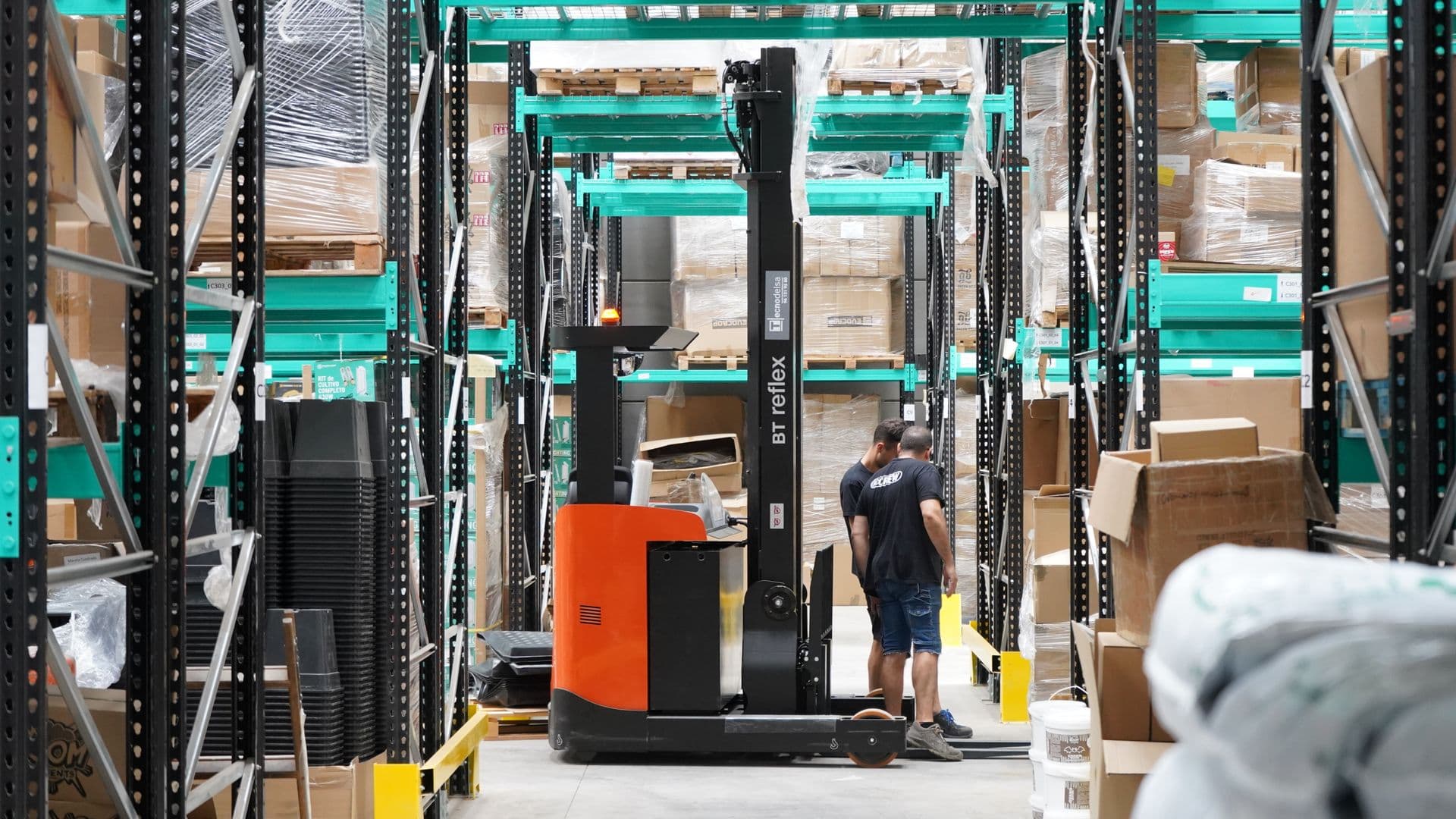
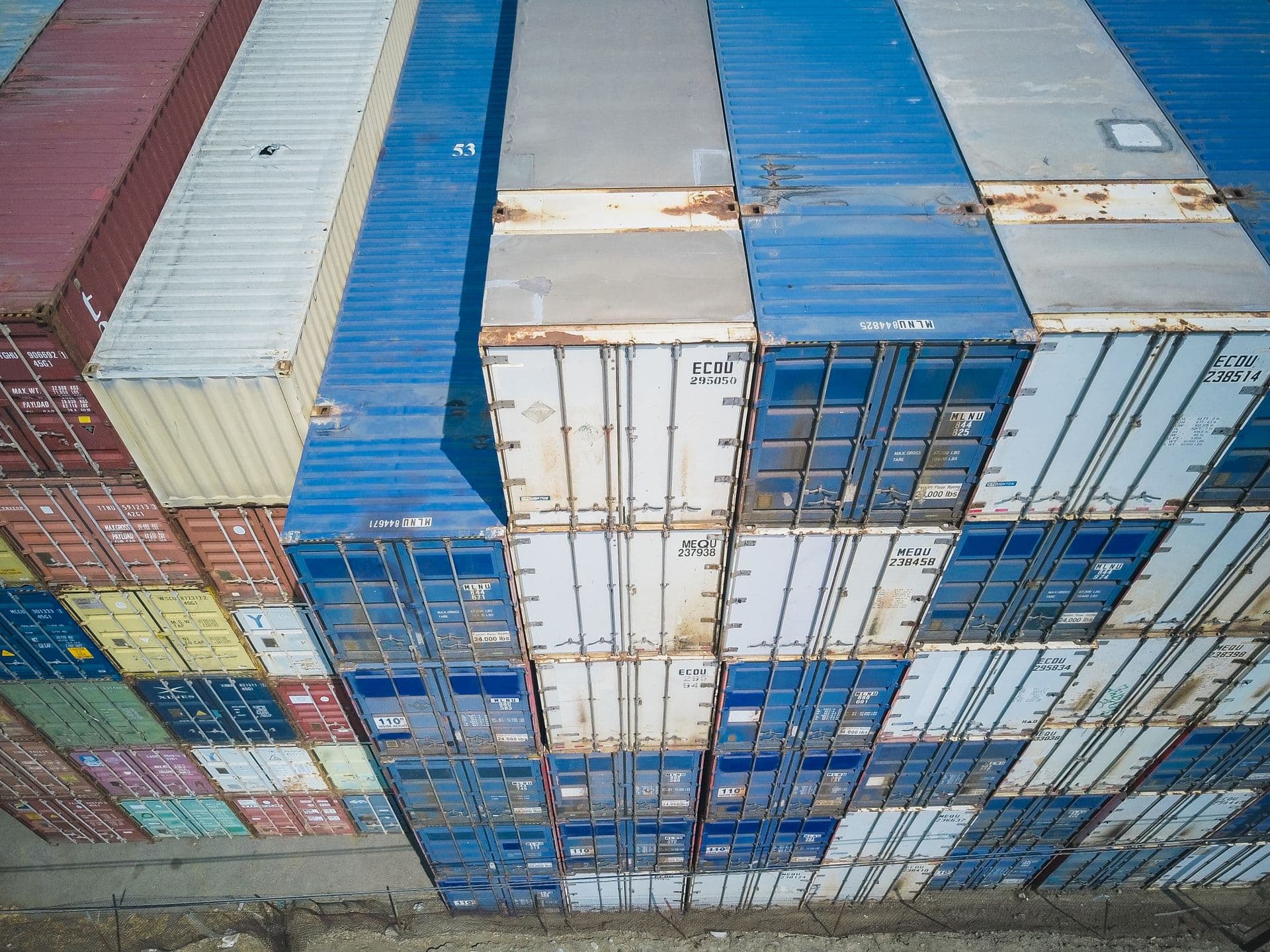
Mechanically, it's a straightforward move. Once your container clears customs and is discharged from the vessel, a drayage carrier pulls it off the terminal and drops it at a nearby private container yard instead of your warehouse or distribution center. The container is now off terminal property, so the port's demurrage clock stops. It sits at the private yard, usually under a per-day storage fee set by the yard operator, until you're ready to receive it. At that point the carrier makes a second move: yard to final destination.
The trucker is doing two moves instead of one, which is why it costs more upfront than a single pull straight to your dock. You're trading a known, smaller expense now for protection against a bigger one later.
There's also a chassis question buried in here. The chassis sitting under the container at the terminal usually belongs to the ocean carrier or a chassis pool, and it runs its own per diem clock separate from demurrage. A pre-pull gets the container off terminal property, but depending on how the move is set up, it doesn't automatically free up that chassis. Confirm with your carrier which clock actually stops when the container moves, so you're not solving one charge while another keeps running.
How Free Time and Demurrage Set the Clock
Every import container gets a window of free time at the terminal, typically a handful of business days, before demurrage kicks in. Demurrage Explained walks through how that charge is calculated terminal by terminal. The problem is free time doesn't care whether your warehouse is ready, whether the receiving dock has an open appointment, or whether your driver can get a chassis. It just counts down.
Once free time expires, demurrage accrues daily, and the rate often steps up the longer the container sits, so day three costs more than day one. A pre-pull is a way to stop that clock on your terms, before it becomes the terminal's decision.
When a Pre-Pull Makes Financial Sense
A pre-pull earns its keep in specific situations, not as a blanket policy. These are the ones worth checking for on every import:
- Free time is about to expire and you already know you can't get a dock appointment, chassis, or receiving slot in time.
- The private yard's per-day storage rate is lower than the terminal's demurrage rate — check both before assuming this is true.
- You're managing multiple containers arriving close together and need to control when each one moves, rather than let the terminal set the pace.
- The alternative is leaving the container on a chassis that's racking up its own per diem charges — see Per Diem vs. Detention for how that clock differs from demurrage.
When It Doesn't Pay Off
Pre-pulling isn't free money. If you can realistically pick up the container within free time, paying for an extra move and yard storage is pure cost with no offsetting benefit. It also adds a step to your supply chain. The container has to be tracked at a second location, and someone has to schedule that final delivery leg instead of just watching one terminal pickup window.
It also assumes the private yard has capacity and a fair daily rate. During a serious congestion spike, container yards around a busy port fill up fast, and storage pricing can climb along with everything else. Run the math before you commit. Multiply the terminal's per-day demurrage rate by how many days you'd realistically be over free time, and compare that to the cost of the extra move plus yard storage for the same stretch.
Vessel Bunching and Port Congestion
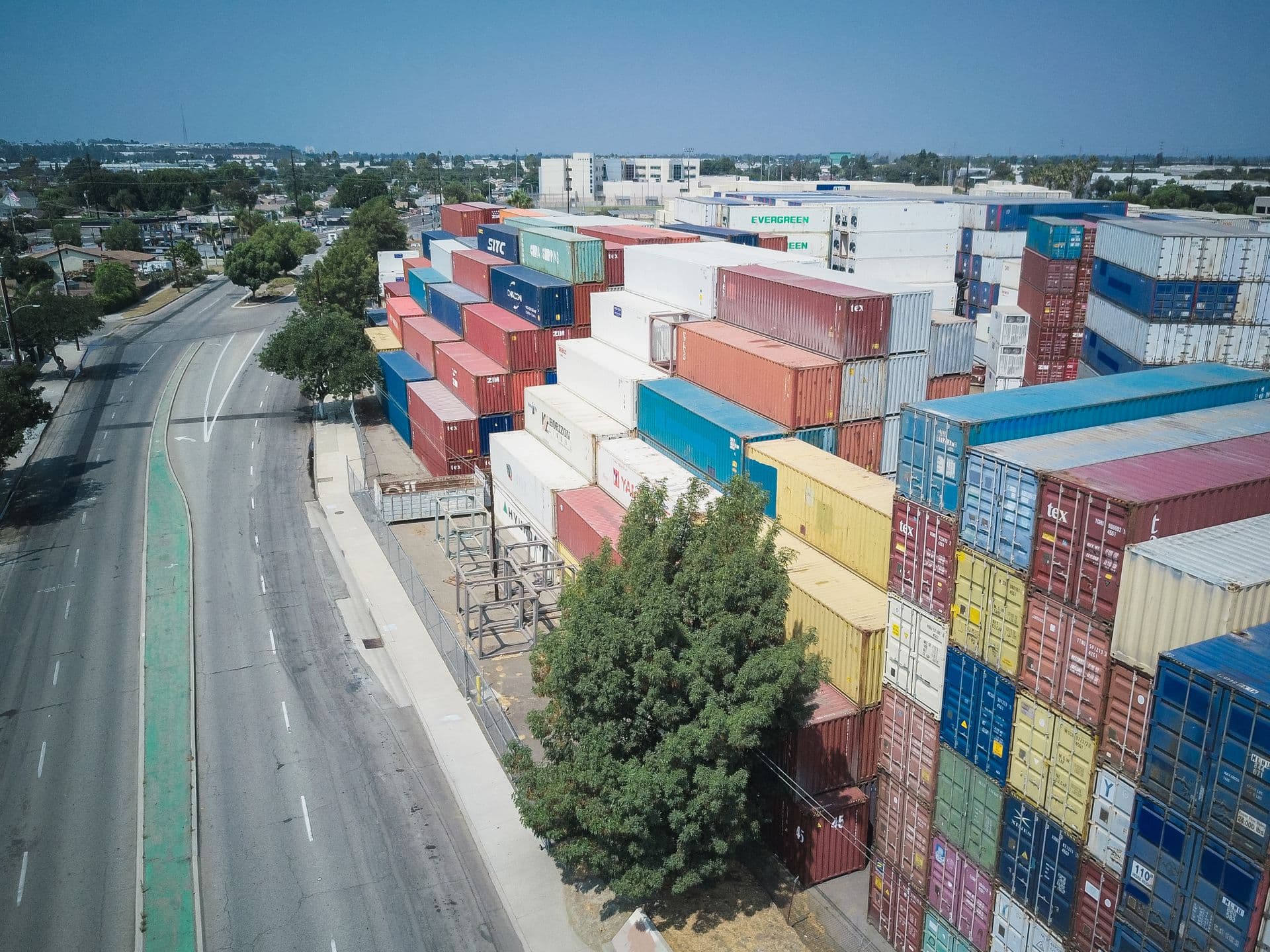
This decision matters most when vessels bunch up. When several ships arrive at a terminal within days of each other, common after weather delays, schedule changes, or a labor slowdown, the terminal gets flooded with containers all needing pickup at once. Appointment slots get scarce, chassis availability tightens, and free time windows that looked generous on paper suddenly feel impossibly short.
In that kind of congestion, demurrage isn't really a will-I-or-won't-I question anymore. It's a matter of how many days, for how many containers. A pre-pull strategy, done early and paired with a carrier that has dispatch available around the clock to jump on open appointment windows, is often the only way to keep a multi-container import moving without racking up charges on every box. Import Container Timeline breaks down where these pinch points tend to show up between discharge and final delivery.
Building a Pre-Pull Plan
None of this has to be a last-minute scramble. Building a short checklist into your process turns a pre-pull from a rescue move into a routine decision.
- 01Track free time expiration for every container the moment it's assigned, not the day it becomes urgent.
- 02Confirm your receiving dock's realistic appointment availability against that deadline.
- 03Get a per-day yard storage quote and compare it directly to the terminal's demurrage schedule.
- 04Loop in your carrier early — a pre-pull only works if the truck, chassis, and yard slot are lined up before free time runs out, not after.
- 05During known congestion periods, treat pre-pulls as a standing part of your plan rather than a last-minute rescue.
The math in one line
If the private yard's daily storage rate is lower than the terminal's daily demurrage rate, and you need more than a day or two past free time, a pre-pull usually pays for itself. If you can comfortably hit your pickup window before free time runs out, it's just an extra move and an extra cost with nothing to show for it.
Avtar Freightways runs container drayage out of Concord, California, serving the Port of Oakland and Northern California's rail ramps, with a GPS-tracked, ELD-equipped fleet and drivers who carry TWIC credentials for terminal access. If a shipment is heading into a tight free-time window, get a quote early enough that a pre-pull is still an option, or contact dispatch directly to talk through the timing.
Moving containers through Oakland?
Call (209) 459-5856 — dispatch answers 24/7 — or get a quote online.
Keep reading
Related guides

Ready when you are — 24/7
Have a container on the water?
Send the details before it hits the port. We'll have a truck, a chassis, and a plan waiting at the terminal.