ResourcesFees & Free TimeAug 10, 20265 min read
Demurrage Explained: What It Is, Why It Happens, and How to Avoid It
Demurrage can add up fast once free time runs out. Here's how free time is actually calculated, what causes most charges, and concrete ways to avoid them.
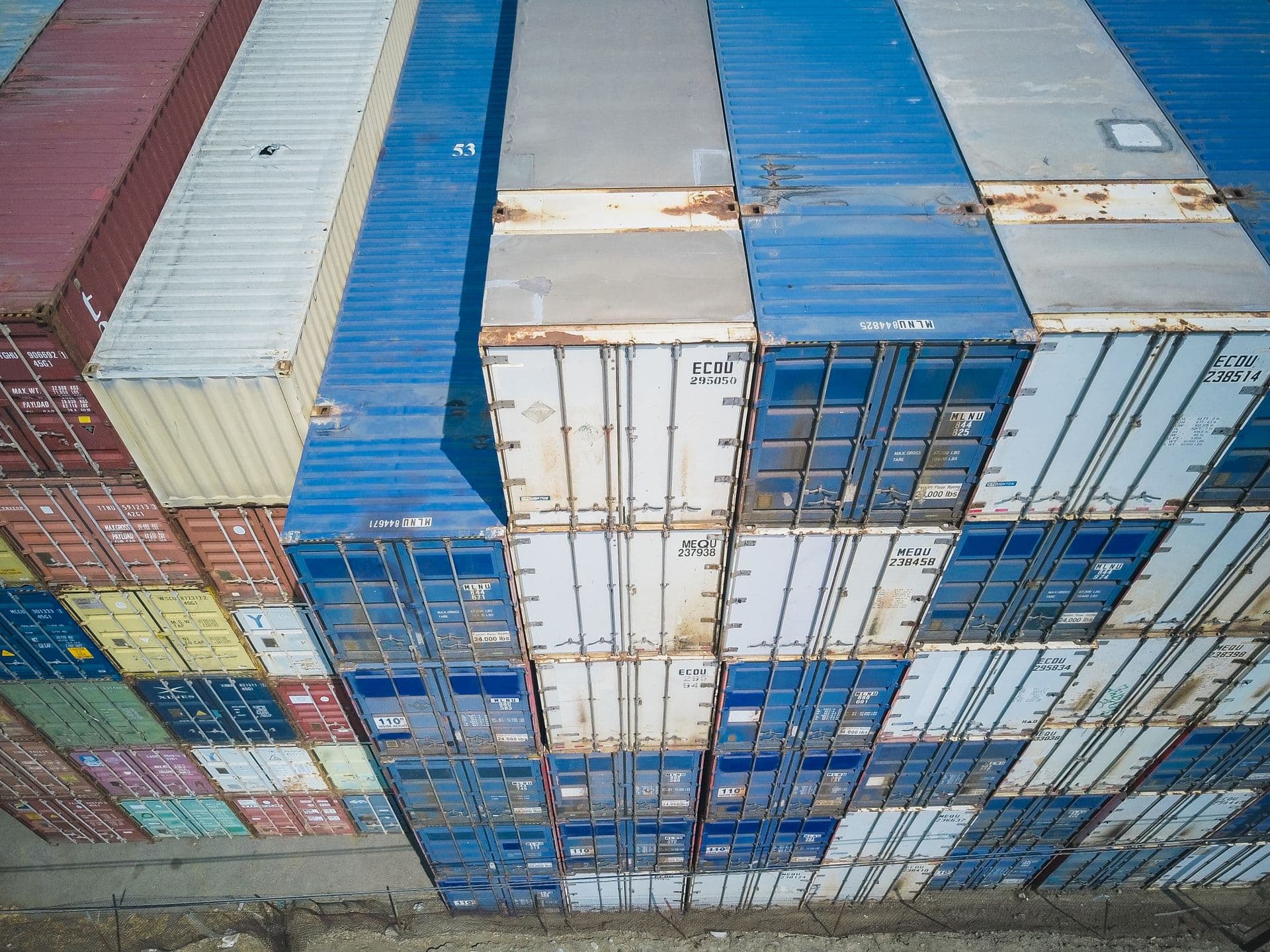
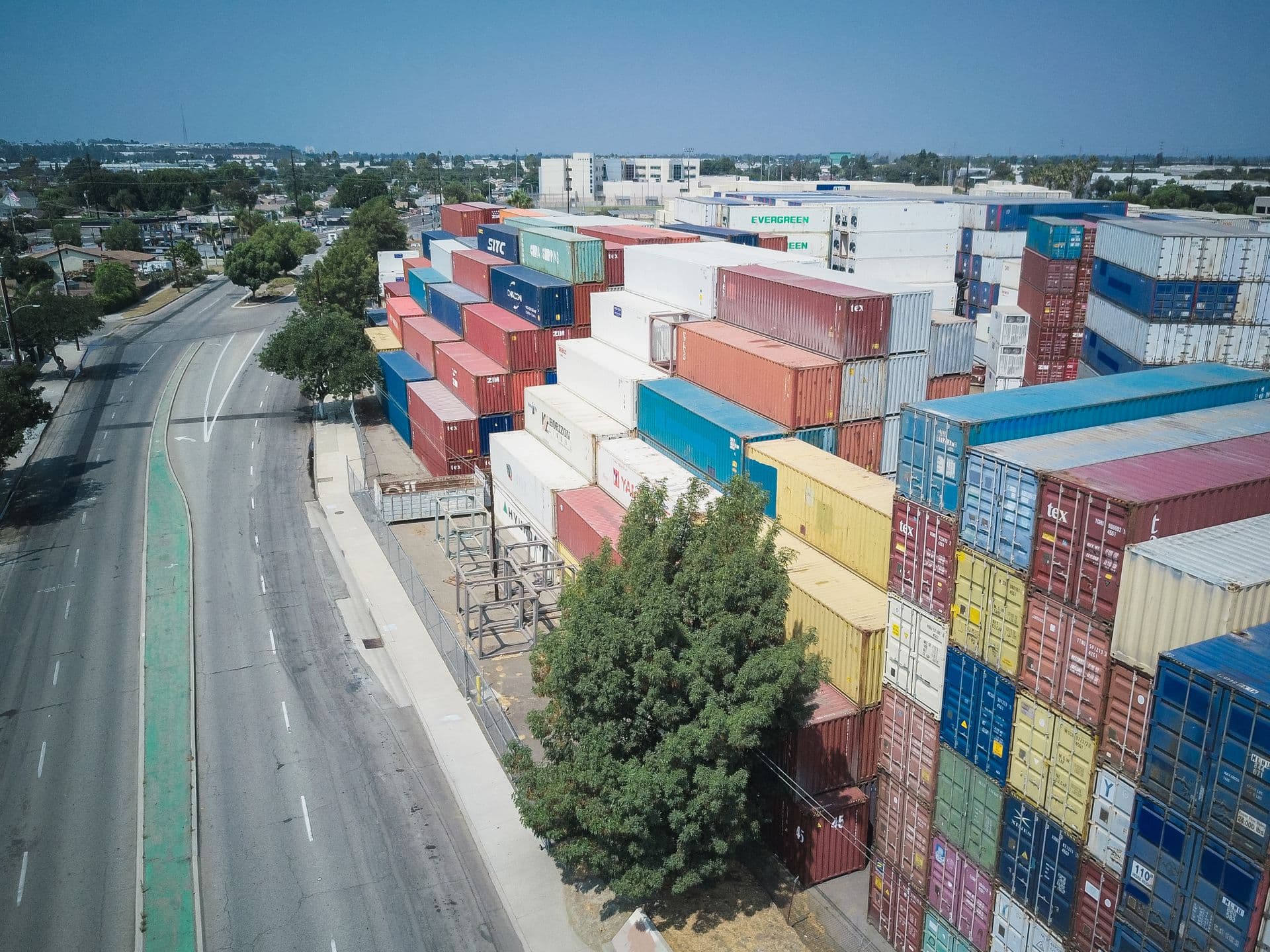
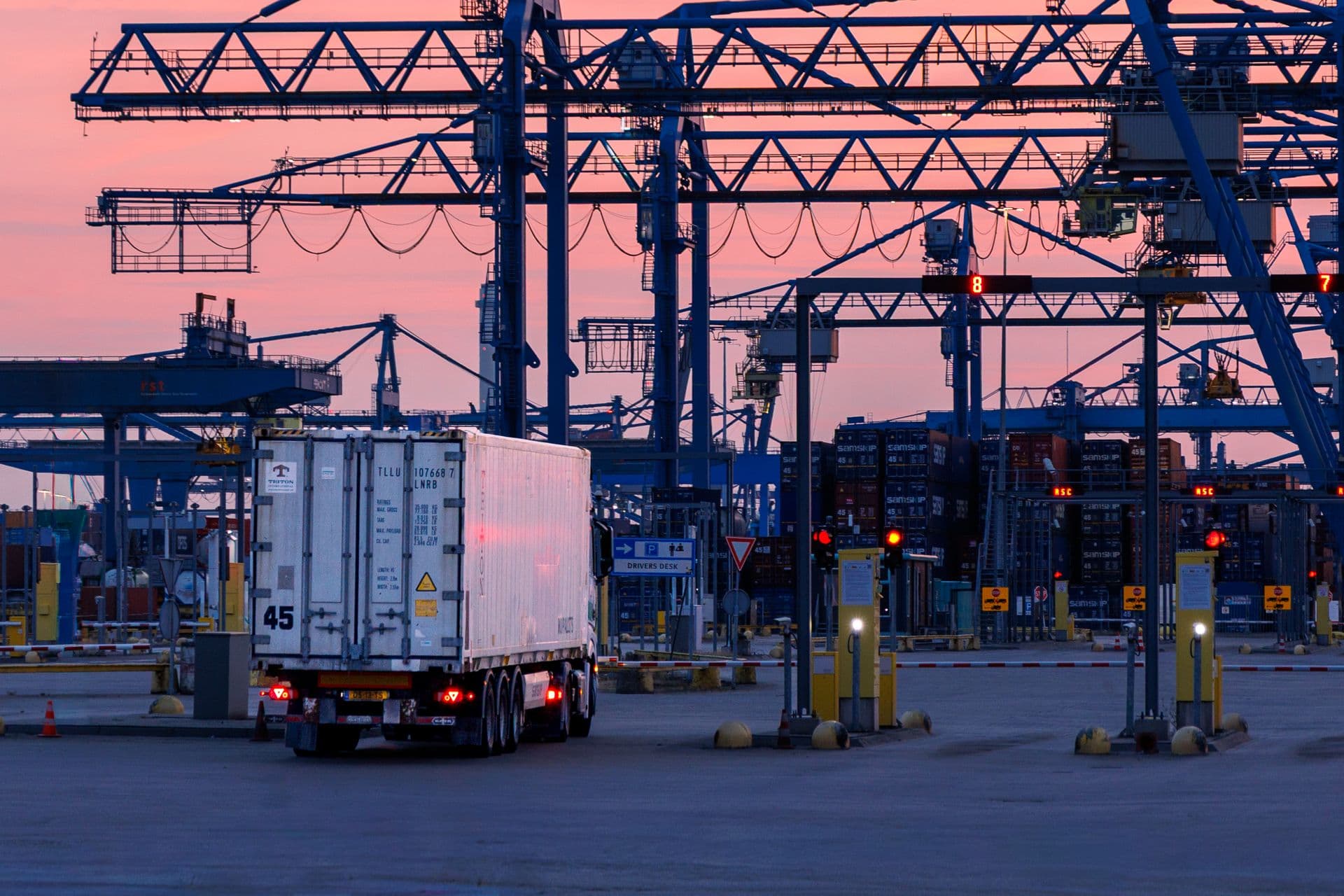
Demurrage is the fee a marine terminal charges when your container stays in the terminal past its free time. It shows up on the bill as a per-day, per-container charge, and it can climb into the hundreds of dollars a day if a box sits long enough. Most shippers only find out how the charge works after they've already been hit with one.
The good news is that demurrage is almost always avoidable. It's a scheduling and documentation problem more than a shipping problem, and once you understand how free time is set and what actually eats it up, you can build a process that keeps you ahead of it on nearly every move.
What "Free Time" Actually Means
Free time is the window a terminal gives you to pick up a container after it's discharged from the vessel, before daily storage charges kick in. It is not a legal standard — it's set by the terminal's tariff or by the ocean carrier's service contract, and it varies by port, by carrier, and sometimes by the type of cargo. At most West Coast terminals, standard free time runs somewhere between three and five business days from the day the container is discharged, not the day it becomes available to trucks or the day you find out it arrived.
That distinction matters more than most people expect. A container can sit for a day or two before it's even flagged as available for pickup, and that dead time still counts against your free days. Weekends and holidays sometimes count too, depending on the terminal, which is why the clock can run out faster than a shipper's calendar suggests. Larger importers can sometimes negotiate extended free time into their carrier contracts, but for most freight, the standard allowance is what you get.
How the Charges Are Calculated
Once free time expires, demurrage usually accrues on an escalating scale — a flat daily rate for the first several days, then a higher rate the longer the container stays. It's charged per container, so a multi-container shipment that misses pickup can rack up charges on every box simultaneously, not just one. The terminal invoices the ocean carrier, and the carrier passes the charge down to the cargo owner or the party named on the bill of lading, which is often the importer.
None of this is negotiable after the fact in most cases. Terminals apply the tariff mechanically, and disputes are rare and slow. There are narrow exceptions — if the delay was clearly caused by the terminal or carrier, such as a vessel arriving late or equipment not being made available when promised, some carriers will consider a demurrage credit. But that process requires documentation showing exactly when the container became available and when you attempted pickup, and it's never guaranteed. The only reliable way to manage demurrage is to prevent it before the last free day arrives, not to fight the invoice afterward.
What Actually Causes Demurrage
Demurrage rarely comes from one dramatic failure. It's usually a small delay somewhere in the chain that eats up the free time window before anyone notices, and by the time it's flagged, half the free days are already gone. The most common culprits show up over and over across different cargo types and shippers.
- Customs holds — a CBP exam, a missing entry, or an incomplete ISF can freeze a container in place for days while the clock keeps running.
- Chassis shortages — no chassis available at the terminal or depot means no truck can move the box, even if everything else is ready.
- Receiver not ready — the consignee's dock, warehouse, or crew isn't available to unload, so the trucker has nowhere to deliver the container.
- No pickup appointment — terminals require booked appointment slots, and when those windows fill up during busy periods, a container can miss its free time waiting for a slot.
- Paperwork errors — an incorrect HTS code, missing release, or mismatched documentation stalls pickup until it's corrected.
- Port congestion — vessel bunching, yard density, or equipment backlogs at the terminal slow everything down across the board.
Demurrage vs. Detention: Don't Mix Them Up
Demurrage and detention are often used interchangeably, but they're charged by different parties for different things. Demurrage is what the terminal charges while a container sits inside the terminal past free time. Detention is what the trucking carrier charges for time the equipment sits outside the terminal — on a chassis, at a receiver's dock, or in a yard — beyond its allowed free time. A shipment can rack up one, the other, or both, depending on where the delay actually happens. For a full breakdown of how detention and per diem charges work, see Per Diem vs. Detention.
How to Avoid It
Avoiding demurrage comes down to knowing your last free day before it's urgent, and having a plan ready to move on it.
- 01Track the last free day on every container from the moment it's booked, not just after the vessel arrives — build it into your shipment file as a hard deadline.
- 02Get customs clearance and documentation squared away before the vessel discharges, so nothing is waiting on paperwork once the box hits the yard.
- 03Book the terminal pickup appointment as early as the system allows, especially during peak season when appointment slots go fast.
- 04Confirm the receiver's dock and crew are ready to take delivery on the date you're planning to move the container.
- 05If a chassis shortage or a tight appointment window puts the last free day at risk, pull the container into a secured yard early rather than leaving it in the terminal to run out the clock — see Pre-Pull & Yard Storage for how that works.
- 06Line up drayage in advance for import moves out of the Port of Oakland, where appointment and chassis availability can shift day to day — our guide to Port of Oakland Container Pickup walks through the process.
The Avtar Freightways take
Demurrage is almost always won or lost in the first 48 hours after discharge, not on the last free day. Our dispatch team is available 24/7 to move on a tight appointment window, our drivers carry TWIC so they can move quickly through port and rail ramp security at the Port of Oakland and Northern California rail ramps, and our GPS-tracked, ELD-equipped fleet gives you real visibility into exactly where a container is against its last free day. If you're planning a move with a tight window, get a quote or contact our team before the container even hits the water.
When You Can't Avoid It
Sometimes demurrage happens anyway — an exam gets pulled at random, a receiver's warehouse floods, a chassis fleet runs short across the whole port. When that happens, the priority shifts from prevention to damage control: get the container moving the moment it's cleared, and don't let a delay on one box turn into delays on the rest of the shipment. Loop in your customs broker and your trucking provider as soon as a hold is flagged, rather than waiting for a status update to land in your inbox — a same-day heads-up can be the difference between one extra day of charges and a full week. Keep an eye on the container's status rather than assuming it will resolve on its own — you can check status anytime through our tracking page.
Moving containers through Oakland?
Call (209) 459-5856 — dispatch answers 24/7 — or get a quote online.
Keep reading
Related guides
Ready when you are — 24/7
Have a container on the water?
Send the details before it hits the port. We'll have a truck, a chassis, and a plan waiting at the terminal.